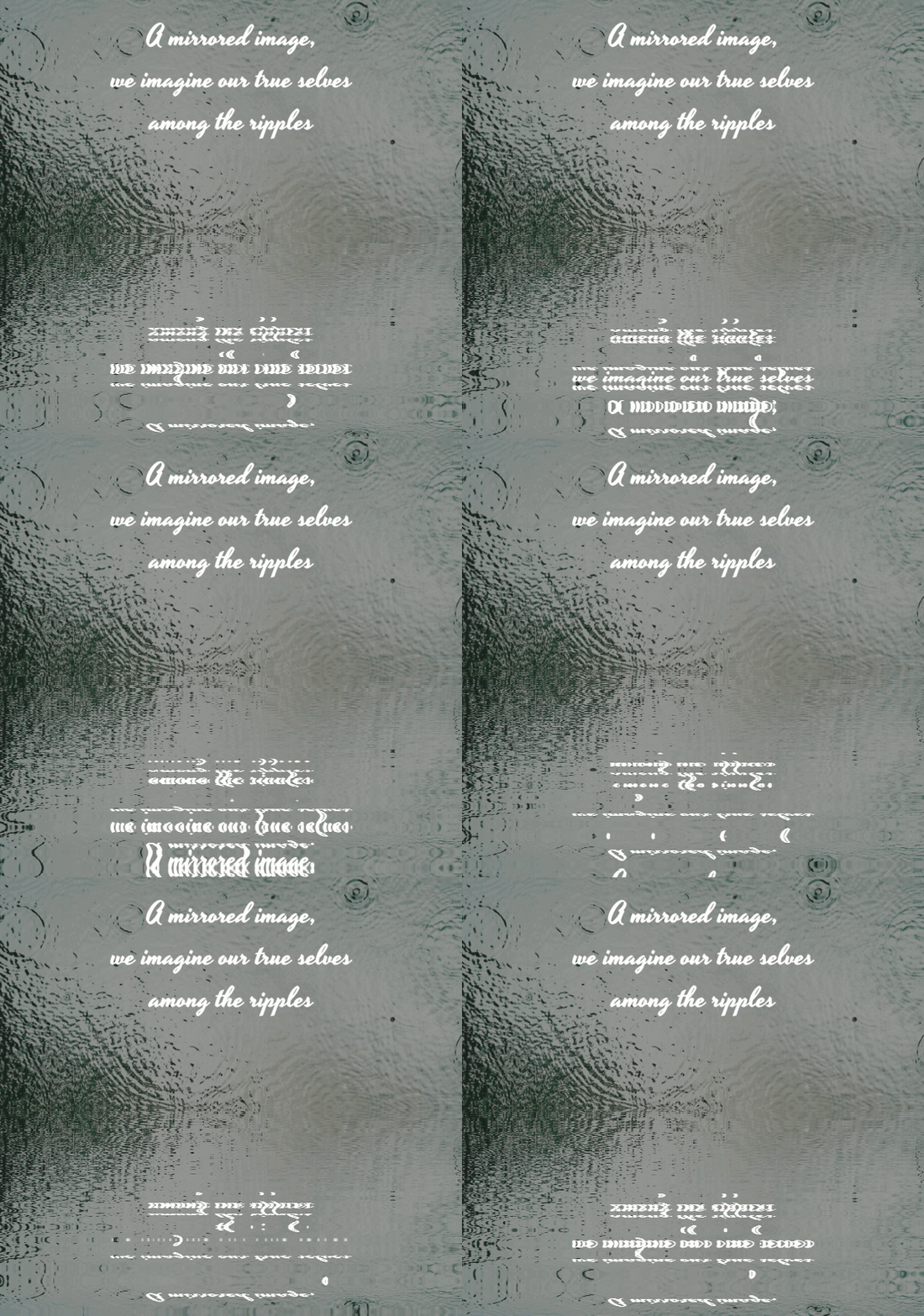
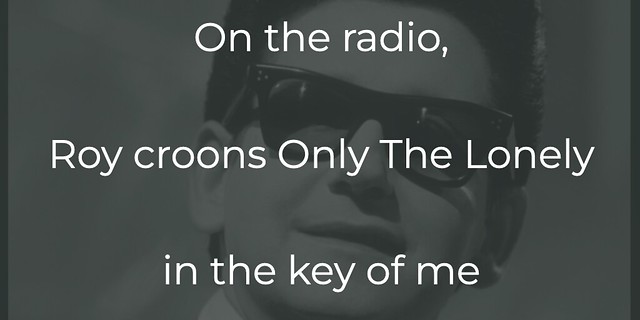
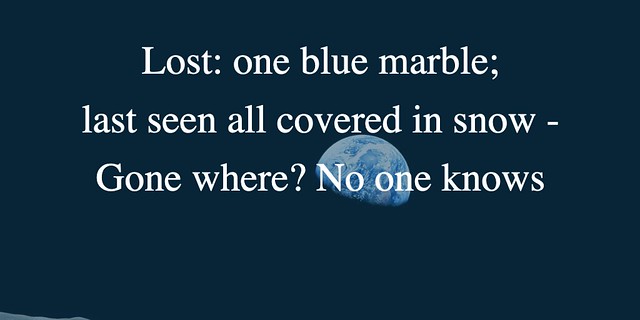
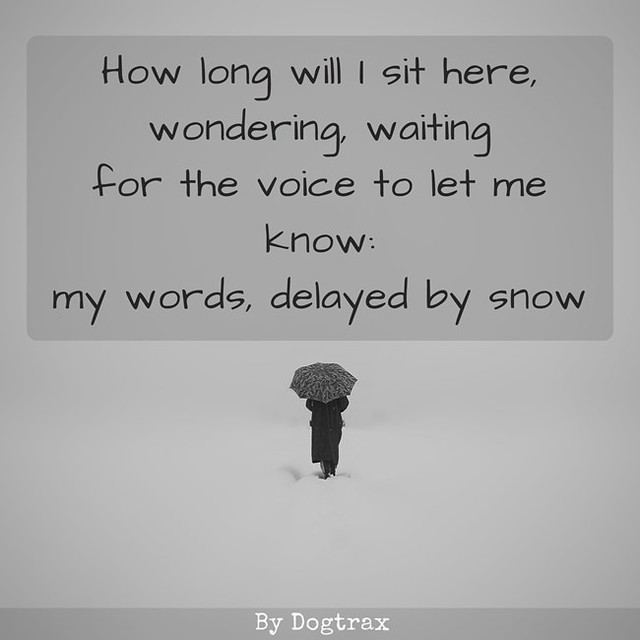
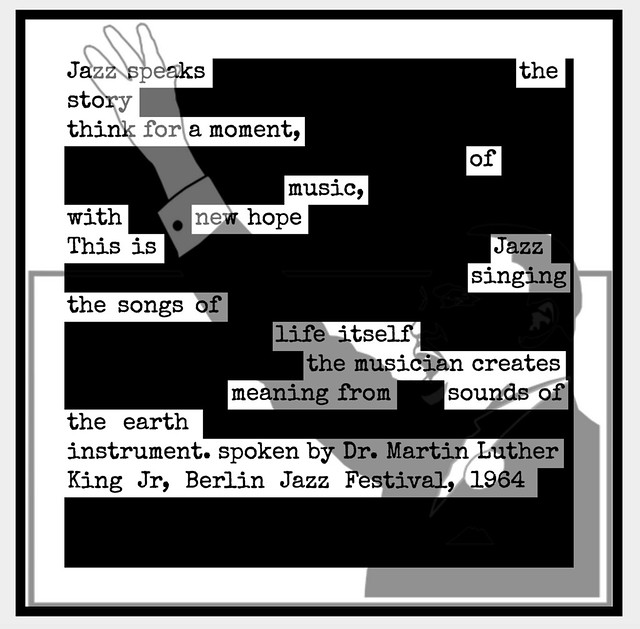
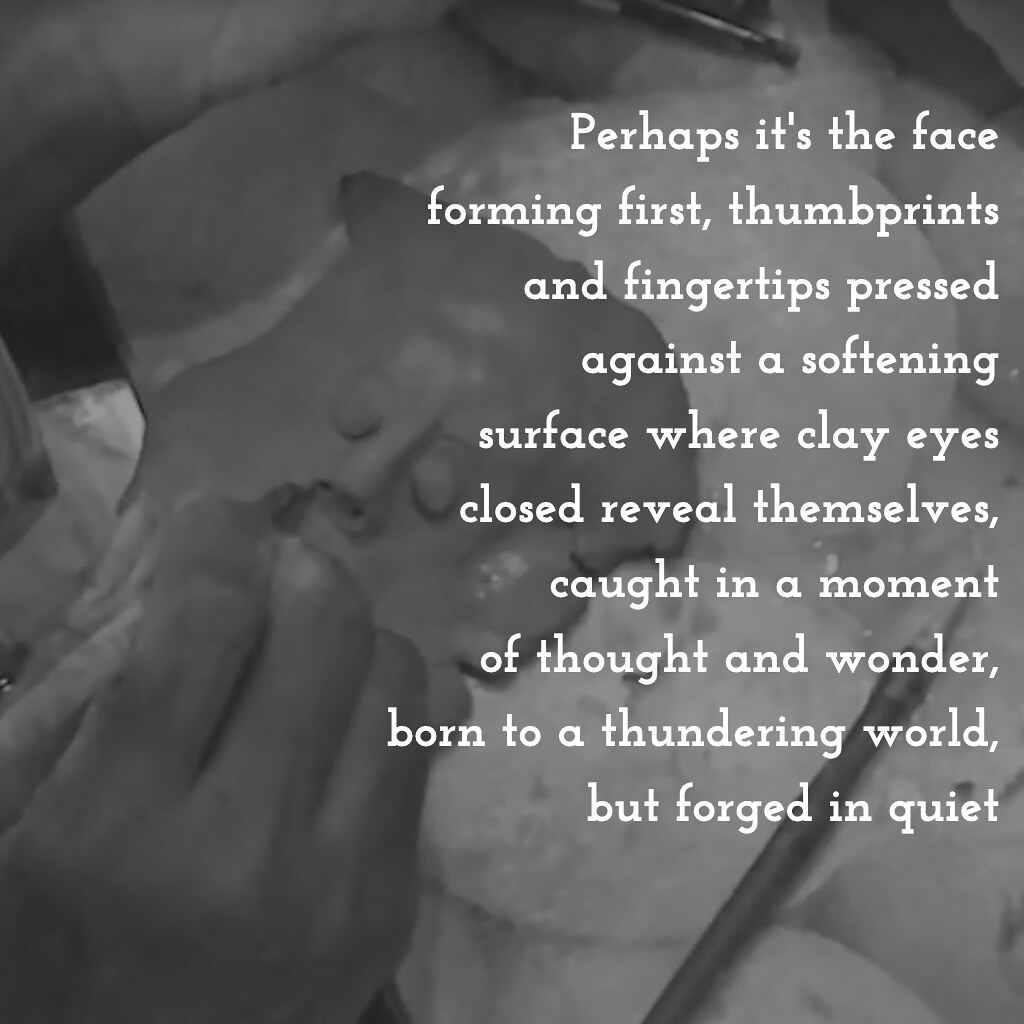
I’ve been writing a lot of poems this month and yesterday, I decided to work on a found poem with my own poems, taking pieces from a bunch of them and stringing them together into something new. Then, I remembered that I have been wanting to try out the iMovie App on our iPad (a bargain for the $5 it costs, by the way). I shot the video all in our sun room, trying to vary the shots. I was trying to make the video angles and ideas part of the poem itself, but I am not sure it worked out like that. The only shot not in that room is the last one because I wanted darkness to end the poem. That one was done in a closet.
I am writing poems this month, as much as I am able, using images to inspire words. This morning, Bud Hunt posted a picture of NASA’s Curiosity rover. Here’s what I came up with:
I’ve been sharing some poems I am writing this month with Bud Hunt, but I should mention an amazing project that Mary Lee Hahn has been doing over A Year of Reading. Mary Lee has been exploring the use of Creative Commons and attribution, and each day, she shares an image she finds, with information about the image and how to use it. And then, she urges us to write poems inspired by the image.
Here’s what Mary Lee says:
“Common Inspiration–Uncommon Creations.”
Each day in April, I will feature media from the Wikimedia Commons (“a database of 16,565,065 freely usable media files to which anyone can contribute”) along with bits and pieces of my brainstorming and both unfinished and finished poems.
I will be using the media to inspire my poetry, but I am going to invite my students to use my daily media picks to inspire any original creation: poems, stories, comics, music, videos, sculptures, drawings…anything!
You are invited to join the fun, too! Leave a link to your creation in the comments and I’ll add it to that day’s post. I’ll add pictures of my students’ work throughout the month as well.
Yesterday, she shared this interesting b/w photo of a woman fishing. The image got me thinking about who took the photo and who is watching her fish, and I came up with this poem:
“There’s some metaphor at work here,”
the first whispered to the other,
who lounged against the rotting log,
watching, waiting, wondering.
“Oh,” the second replied, handing the first
a sandwich she had made for them to savor
while she fished solo from the rock,
“and what is that?”
The first took a thoughtful bite, and leaned back,
eyes scanning the sky
as the sound of the line from her pole
zinged its way into his mind.
“I don’t rightly know,” he admitted,
“but surely there is a metaphor swimming in that river.”
The second nodded,
“And if anyone will catch it,
it will be her.”
The two men sat up now, dazzled by her expertise
as she pulled and twisted the pole,
the lure sliding and slinking along the water’s surface,
guiding the fish towards her
through some unspoken magic that neither the fish
nor the men,
nor even the father who had once taught her,
could even begin to fathom,
and then, as was her want, she let them all go,
set them loose,
so she could walk home alone, and free,
without their thoughts and talk crowding her head.
I am also doing some podcasting with Vocaroo, which is a free no-registration podcasting site. Here is the podcast for this poem:
What do you make of this? This site uses software analysis on articles in the New York Times to generate haiku poetry. It’s pretty fascinating to think about that idea of accidental poetry culled from the newspaper.
From the site:
How does our algorithm work? It periodically checks the New York Times home page for newly published articles. Then it scans each sentence looking for potential haikus by using an electronic dictionary containing syllable counts. We started with a basic rhyming lexicon, but over time we’ve added syllable counts for words like “Rihanna” or “terroir” to keep pace with the broad vocabulary of The Times.
Not every haiku our computer finds is a good one. The algorithm discards some potential poems if they are awkwardly constructed and it does not scan articles covering sensitive topics. Furthermore, the machine has no aesthetic sense. It can’t distinguish between an elegant verse and a plodding one. But, when it does stumble across something beautiful or funny or just a gem of a haiku, human journalists select it and post it on this blog.
I am writing poems this month with Bud the Teacher (and also, periodically with Mary Lee over at A Year of Reading). This morning, Bud had a cupcake theme, and it reminded me of our son, who eats the wrapper off the cupcakes, too.
I watched her eat the whole wrapper of the cupcake,
chewing slowly on the paper,
eyes closed, as if in rapturous delight
of the memories of the angels in the cake,
crunching on halos.
When she swallowed, she gulped for air
as if the savoring took more out of her than expected,
Bud posted an image of a QR code this morning for his poetry prompt. It may be that the QR means something but I looked at it simply as an image, only, and noticed that three of the corners had boxes. One corner did not. And it led me to this poem.
For the past few years, Bud Hunt (aka, Bud the Teacher) has been posting images throughout the month of April, asking us to be inspired to write poetry. I usually jump on board, if I can, and this month started with an image of a rock and roller on stage, so how could I resist?
Here’s what I came up with:
There, on the stage, marks the time -
there, amidst the noise and the lights -
he flies high, dancing amidst internal rhymes
along the edge of words of the poet’s lines
he’s stolen for this song; passion as musical crime.